
The happiness that pets bring into our lives is quiet and steady, and it’s hard to find anywhere else. Christopher Halstedt knows that big things can happen in small, daily times with animals. Small exchanges, like a dog greeting you at the end of the day or a child gaining confidence by taking care of a pet, can reveal greater truths about relationships and mental health. Aside from making homes noisier and more active, pets also help make neighborhoods healthier and more adaptable.
The Emotional Anchor Pets Provide
If you’ve ever taken home a dog or cat, you know that pets can transform the mood of a home nearly right away. It’s really relaxing to have a pet that you can depend on, like a dog who cuddles up at your feet when things are hard or a cat that sits quietly next to you when the world feels too big.
Animals don’t ask hard questions, and they don’t expect people to always have answers. They respond to who you are, the tone of your voice, how consistent you are, and how much you care. This simplicity makes individuals of all ages feel better, especially when things are unclear.
Pets teach kids how to be responsible, follow rules, and care about others. For adults, they provide companionship and stability in a world that never stops moving. They provide elders with structure, discussion, and even a reason to get up in the morning. Pets fill emotional gaps that humans often overlook.
How Pets Helps Families Bond
There’s a reason so many family memories include a beloved pet somewhere in the frame. Feeding, walking, grooming, or playing with an animal naturally becomes a shared responsibility, and shared responsibilities often strengthen relationships.
A family that walks their dog together ends up talking more. A child who learns to care for a pet feels trusted and included. A parent stressed from work may find relief simply by watching their dog wag its tail or fall asleep on their lap.
Families don’t just live alongside their pets—they build rhythms around them. That rhythm often becomes a source of:
- Emotional balance
- Daily connection
- More intentional time spent together
Pets have a way of pulling families back to each other in moments when everything feels scattered.
Why Pets Bring Out the Best in Communities
When you step into a dog park, a neighborhood trail, or even a local pet store, you’ll notice rare strangers talking to each other without hesitation. Pets make conversation easier because they eliminate awkwardness and create an instant point of connection.
Communities benefit from pets in surprising ways:
- They encourage outdoor activity
- They create opportunities for social interaction
- They draw people into community events
- They help build trust and familiarity among neighbors
A street where people walk their dogs becomes a street where people know each other’s names. A school that brings in therapy for dogs becomes a school where children feel calmer, safer, and more supported. A nonprofit that pairs teens with shelter animals often sees confidence and compassion develop in ways traditional programs can’t accomplish.
These aren’t small changes. They shape the emotional culture of a neighborhood.
Therapy Animals and Their Quiet Power
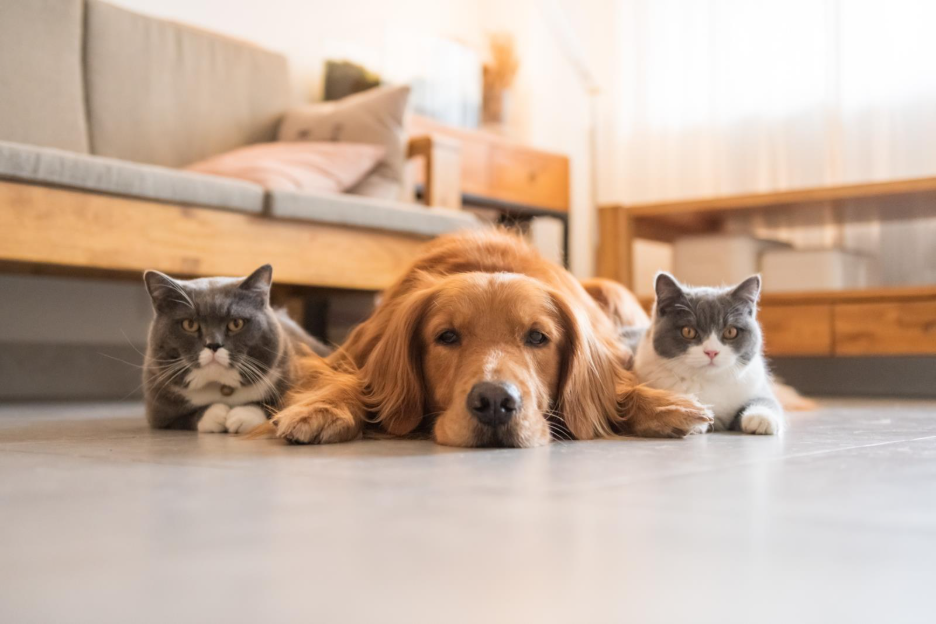
Across the country, therapy dogs are showing up in hospitals, classrooms, senior centers, and counseling programs—not as a trend, but because they work.
A therapy animal brings something into the room that humans simply can’t replicate unconditional calm. Their presence lowers cortisol, slows breathing, and creates an environment where people feel safe enough to talk, rest, or simply breathe again.
Children struggling with anxiety often read aloud more confidently when a dog is sitting beside them. Seniors dealing with loneliness feel less isolated when a gentle animal curls into their hands. Even in crisis centers, therapy animals help people feel settled enough to begin their healing.
There’s a reason so many nonprofits prioritize these programs—they give people access to comfort that is instinctive, immediate, and deeply human.
Local Shelters and the Ripple Effect of Adoption
When communities support pet adoption, they’re doing more than giving animals a new home. They’re opening the door to emotional transformation for the families that adopt them.
Every adoption creates a ripple:
- A child gains a best friend
- A senior gains companionship
- A person navigating mental health challenges gains stability
- A family gains joy, laughter, and structure
Shelters across the country often share stories of pets who came from difficult circumstances but went on to transform the lives of their new families. These stories matter because they show how compassion multiplies. When people step forward to care for animals in need, the emotional reward spreads far beyond a single household.
A Culture of Compassion Makes Stronger Communities
This community wellbeing, mentorship, and compassionate engagement aligns naturally with the ways pets shape emotional health. In many ways, the presence of animals mirrors the principles that strengthen neighborhoods—care, responsibility, consistency, and empathy.
A community that embraces animals tends to embrace each other. It becomes a place where kindness moves more freely, where people look for one another, and where emotional support isn’t limited to formal programs or professional settings.
Pets remind us that those relationships—of any kind—require patience and presence. They show us that loyalty matters, that gentleness has an impact, and that small, consistent acts of care can change entire households.
The Quiet Lessons Pets Teach Us Every Day
A dog patiently waits at the front door. A cat stretches into a sliver of sunlight. A family gathers on the floor to play with a new puppy. These everyday moments carry lessons we often overlook: connection makes us stronger, routine keeps us grounded, kindness creates trust, and responsibility shapes character.
These simple truths sit at the heart of emotional well-being—inside homes and across communities. Pets don’t just make people happier; they make people more connected, more empathetic, and more human. And in a world that moves quickly, that may be their greatest gift.